


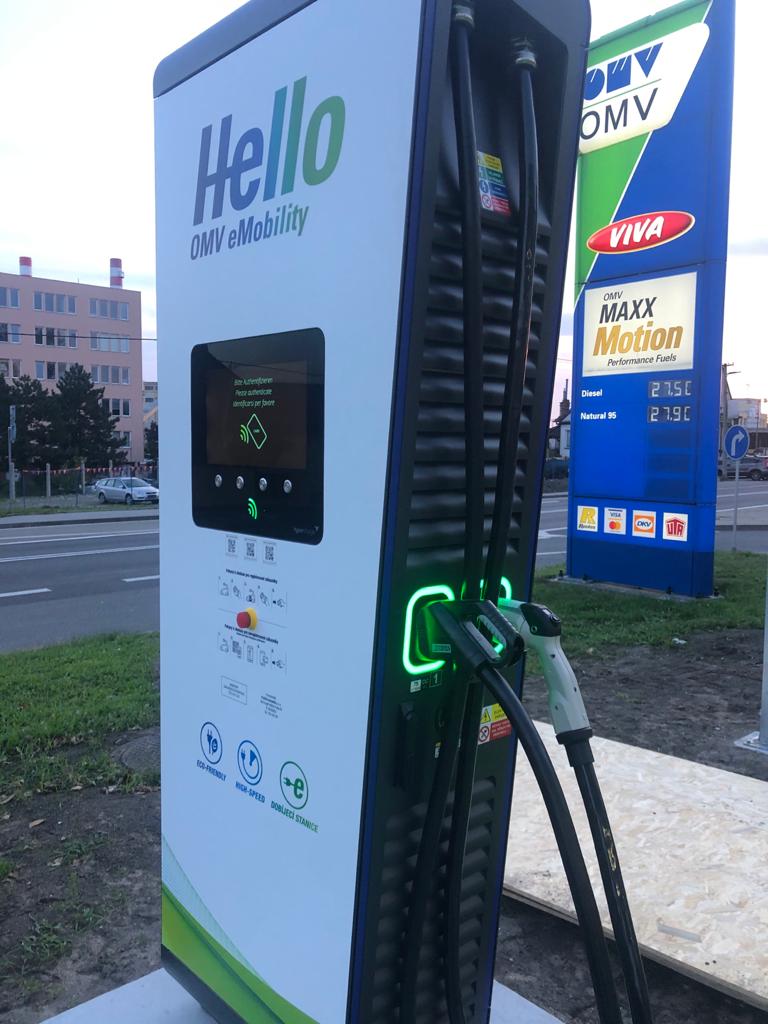
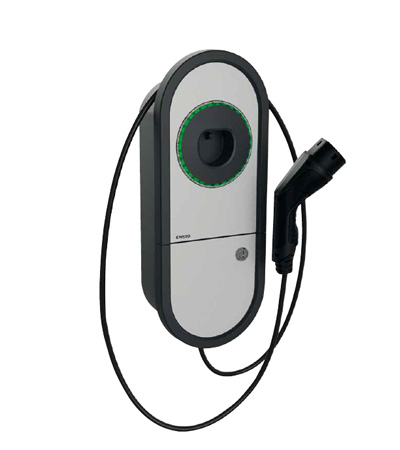
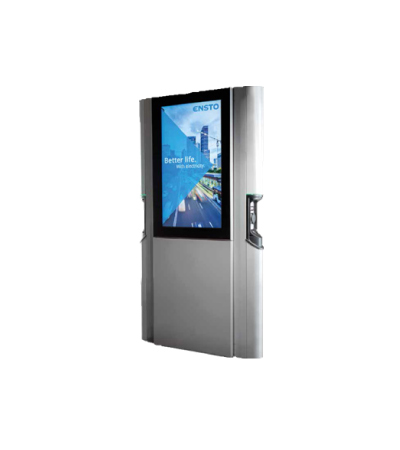

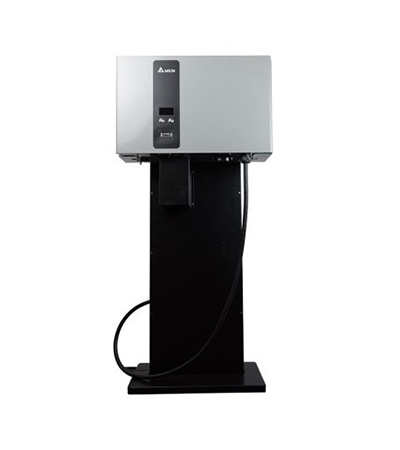
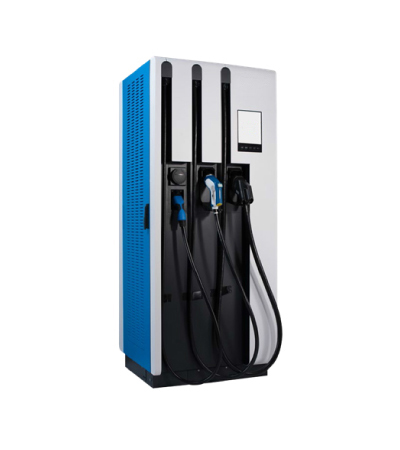
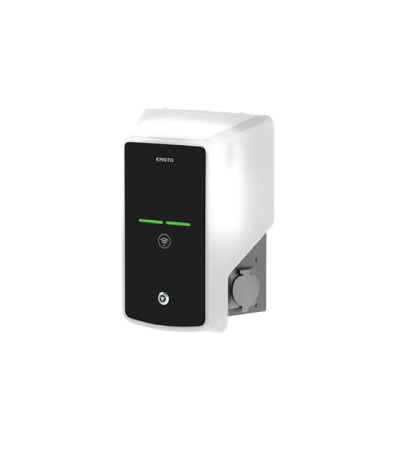
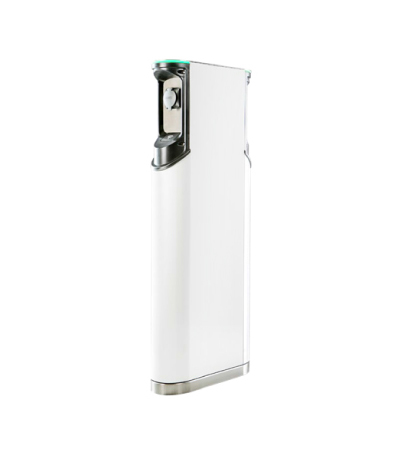
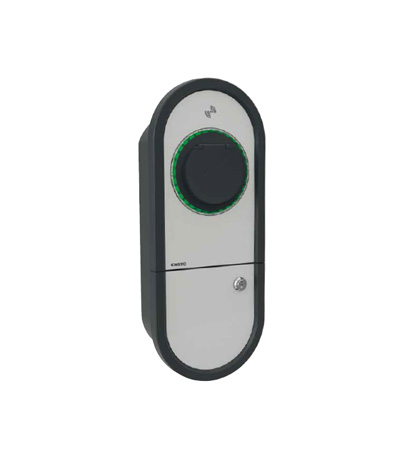
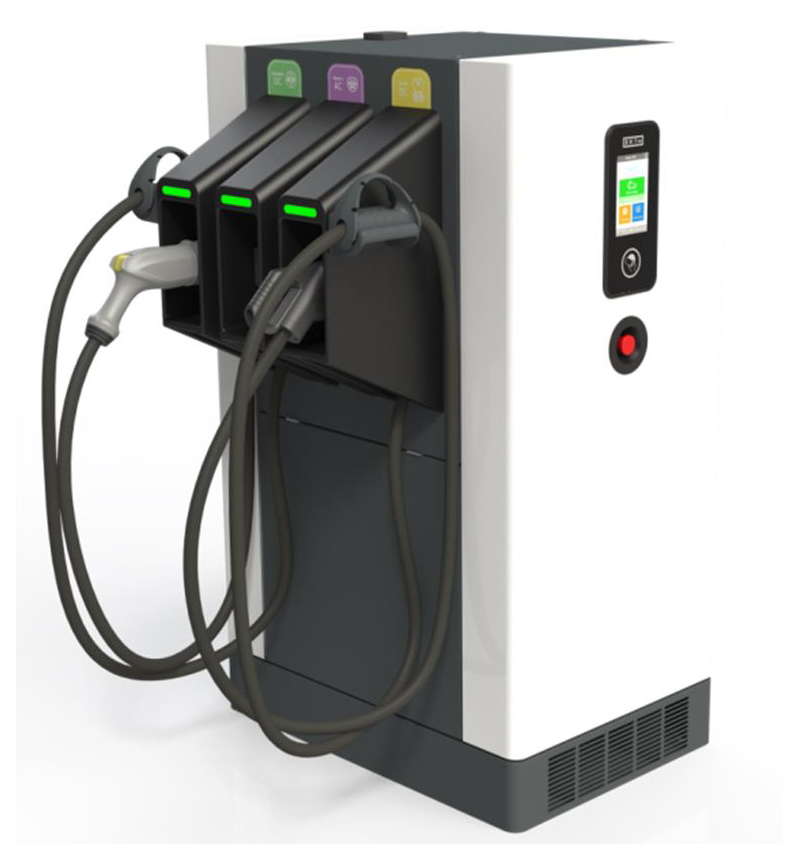
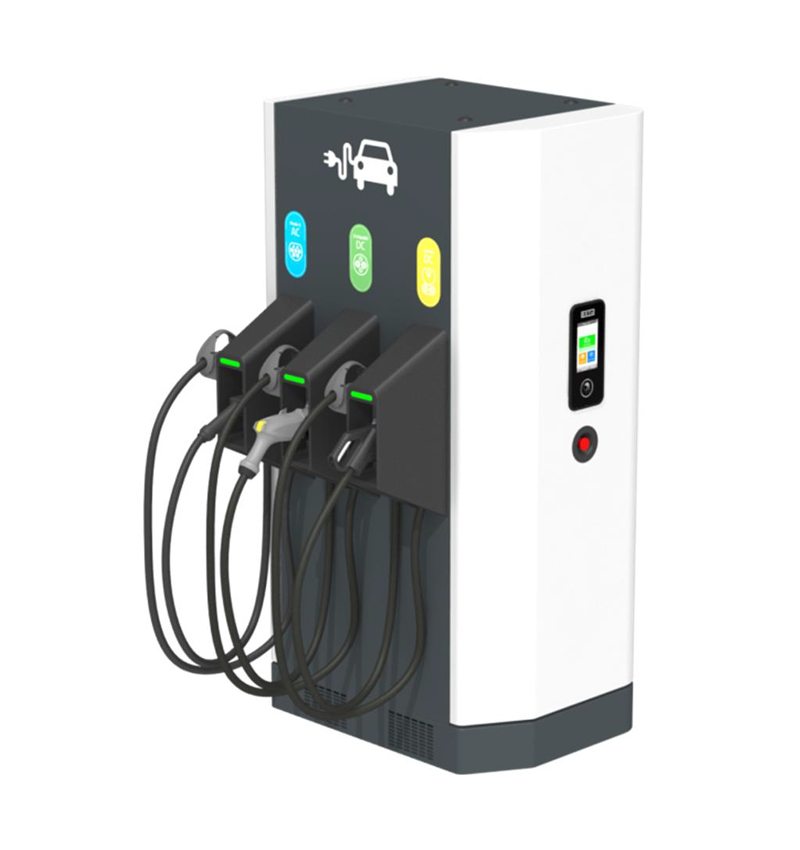
Electricity, as the cleanest known form of energy, has naturally found its place in the automotive sector. Electric vehicles are becoming a common sight on our roads, and ambitious projects around the world are phasing out internal combustion engines from cities and corporate fleets. An integral part of electric vehicles is the charging infrastructure, which, unlike conventional gas stations, operates on several levels. From a standard home outlet or a small charging station in your garage to public multi-standard charging stations.
Robotics streamline complex tasks, reducing production time and minimizing downtime, which leads to higher output and faster delivery.
Our Industrial Automation and Robotics planning and strategy services focus on designing tailored automation solutions that align with your business goals.
We implement rigorous quality control measures at every stage of production, ensuring consistency and high standards.
The Delta Group is the world’s largest manufacturer of power supplies. The company’s mission is to provide innovative, clean, and energy-efficient solutions for a better tomorrow. The company’s core values are innovation, customer satisfaction, quality, teamwork, and agility. Delta operates globally with manufacturing facilities in Taiwan, China, Thailand, Mexico, India, and Europe. Its broad product portfolio includes power supply and renewable energy solutions, solar energy systems, energy-efficient LED lighting products, commercial display systems such as video walls, LED and LCD screens, and various projectors, industrial automation systems, and electronic components for the IT, telecommunications, and automotive industries.
Greater performance and precision than ever before.
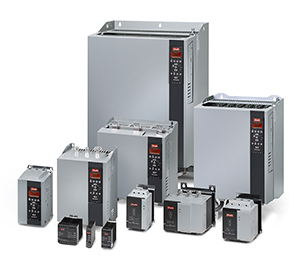
Using versatile inverters will make a real difference—no matter what industry you’re in. The inverters are designed to provide excellent, energy-efficient motor control and predictive maintenance capabilities with built-in encryption. For the most powerful systems.
Smart energy conversion to support the energy transition.
To decarbonize our world, we must promote the electrification of transportation and industry and the growth of renewable energy. Utilizing smart, efficient, and flexible power converters for hybrid or fully electric systems. Power converters designed to help you meet your climate goals profitably.
Ensto is a family-owned business and an international cleantech company focused on the development, manufacture, and marketing of electrical systems and solutions for power distribution, electrical applications, and charging infrastructure for electric vehicles, with a commitment to sustainable development and the goal of becoming a global leader in energy efficiency and distribution. Our products, manufactured in seven different countries around the world, are environmentally friendly, energy-efficient, and leave only a minimal carbon footprint. As a family-owned business, Ensto builds its operations on people, trust, and environmental values over the long term. The real needs of customers guide the company in finding the right solutions with added value.
The electric vehicle is connected to a standard 230V or 400V outlet via a portable charging station, which is supplied with the vehicle or can be purchased separately by the consumer. With the original charging station, the charging current is typically 10A/single-phase. There are products on the market that allow the charging current to be set up to 32A (for 3-phase outlets) if the consumer has an outlet rated for such a current. Such a charging station does not serve to change the nature of the electric current and voltage (it does not change their magnitude or frequency), but provides protection and communication with the vehicle during the charging process. The conversion from alternating current to direct current takes place directly in the vehicle via a so-called on-board AC/DC converter.
For currents up to 16 A (single-phase), this is considered slow charging.
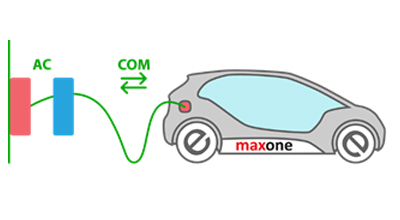
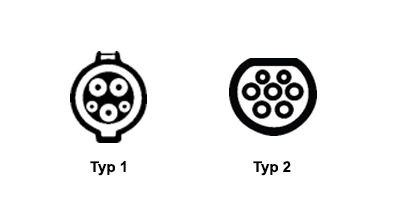
The electric vehicle is connected to the AC power supply via a specific charging station connector; the charging station is typically stationary and connected to the power grid via a fixed power line. As with Mode 2, the charging station does not serve to change the nature of the electric current and voltage (it does not alter their magnitude or frequency), but provides protection and communication with the vehicle during the charging process. The conversion from alternating to direct current takes place directly in the vehicle via a so-called on-board AC/DC converter. The available charging power ranges from 0–7 kW for a single-phase connection (up to 32 A at 230 V) and 0–22 kW for a three-phase connection (up to 32 A at 400 V). The actual charging power is also limited by the electric vehicle itself, specifically the power of the onboard AC/DC converter. Some types of electric vehicles (Tesla, Renault Zoe) are capable of accepting up to 43 kW/400 V (i.e., 63 A) of AC power. We classify charging power up to 7 kW as slow charging, 7–22 kW as medium-speed charging, and over 22 kW as fast charging.


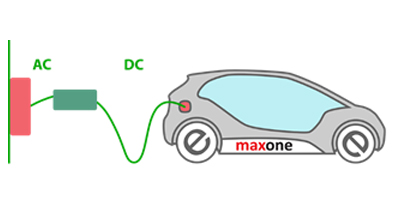
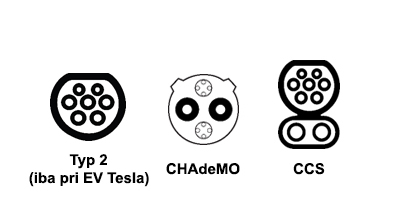
The electric vehicle is connected to the charging station via a specific DC connector. The voltage conversion takes place directly within the charging station, which is connected to the three-phase distribution grid. Depending on the type of charging station, the available charging power can range from 0 to 150 kW (the future goal is 350 kW).





Join us and discover the latest solutions…
Copyright © 2026. All rights reserved.
Created by mandzik.sk